Birdwatching in Nepal: A Birder's Guide to Habitats, Birds, Seasons & Birding Tours
From Terai wetlands and quiet forest trails to rhododendron forests and the high Himalayas, discover Nepal through the birds that live here.
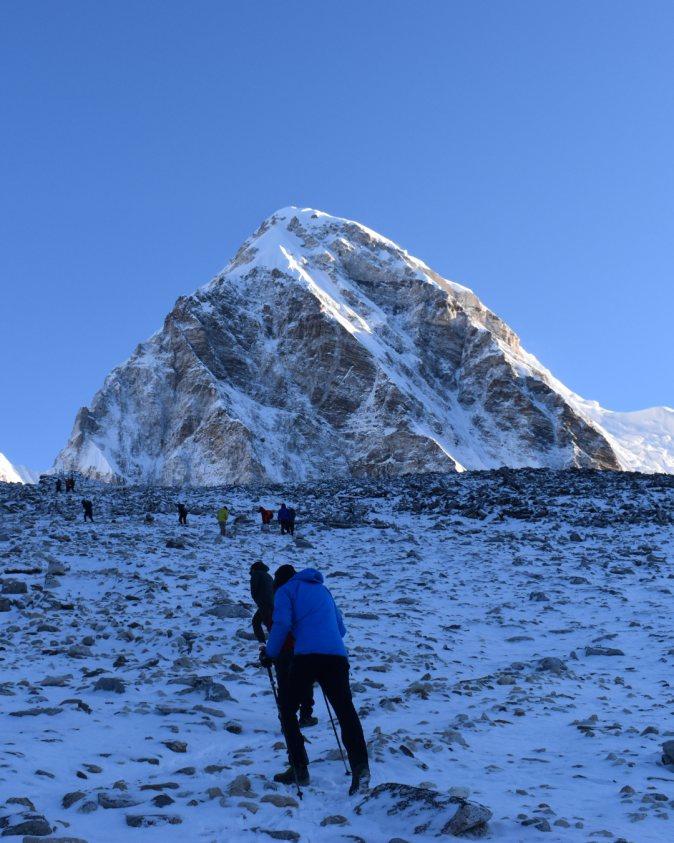
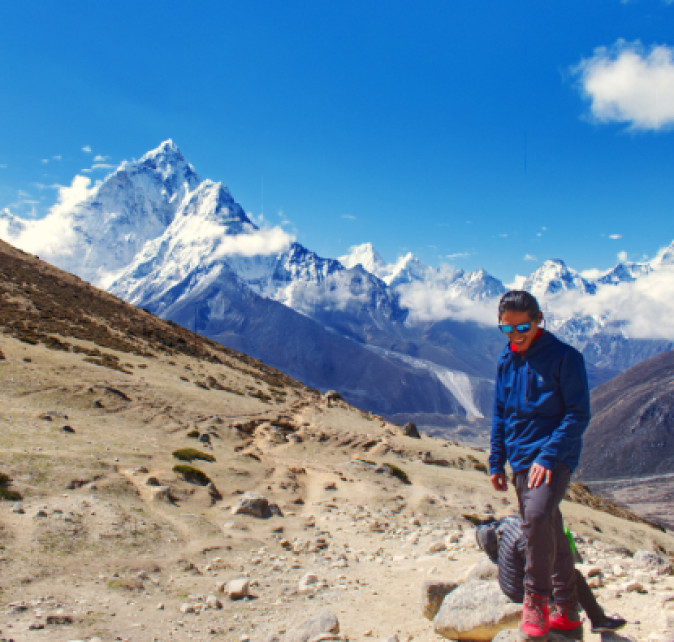
When most people think about Nepal, they think about mountains.
Everest. Annapurna. Langtang. Snow-covered peaks rising above deep valleys.
But if you are a birder, you soon discover that Nepal is much more than its mountains.
One morning you might be standing beside a wetland in the Terai, watching kingfishers, waders or raptors moving through the landscape. A few days later, you could be walking beneath rhododendron and oak forests in the middle hills, listening carefully for a bird hidden somewhere in the canopy.
And that is what makes birdwatching in Nepal so special.
The country changes dramatically as you travel through it—and the birds change with it.
At Himalayan Nature Treks, we have always looked at Nepal from this perspective. We don't see birding simply as visiting a list of famous places. We look at the habitat, the season, the species you are interested in and the kind of experience you want to have.
Sometimes the best birding happens somewhere you didn't expect.
Why Nepal Is So Interesting for Birders
Nepal is a relatively small country, but its landscape changes enormously from south to north.
The lowlands are warm and subtropical. The middle hills are covered with forests, farms and villages. Higher up, oak, pine and rhododendron forests take over. Eventually, the trees disappear and you enter the alpine world of the Himalayas.
Every change in altitude brings a change in habitat.
And that means different birds.
More than 850 bird species have been recorded in Nepal, making the country an important destination for birdwatchers.
But when we are talking to birders, we don't usually start with the number.
We ask something more useful:
What would you really like to see?
Are you interested in Himalayan forest birds?
Perhaps you are looking for raptors and vultures.
Maybe you are a photographer searching for the right light and habitat.
Perhaps the Spiny Babbler is on your wish list.
Or maybe you simply want to spend a few weeks walking through Nepal and seeing as many different birds as possible.
Your answer changes the journey.
Start With the Habitat, Not Just the Destination
This is something we have learned over the years.
A destination name on its own doesn't tell a birder very much.
"Chitwan" is a destination.
But forest, grassland, river and wetland tell you much more about what you might actually experience there.
The same is true in the mountains.
"Annapurna" is a destination.
But the changing forests, elevation and vegetation tell the real story.
So when we plan a birding journey, we think about the habitat first.
Where will you be?
What kind of forest will you walk through?
What elevation will you reach?
What season are you travelling in?
What species are associated with those habitats?
And how much time do we have to actually stop and look?
That last question is important.
Good birding takes time.
Terai Wetlands, Rivers and Grasslands
The Terai is where Nepal's birding story begins for many visitors.
It is very different from the Himalayan landscape most travelers imagine.
The land is flatter and warmer, with wetlands, rivers, grasslands, forests, farmland and open country creating a rich mixture of habitats.
These places can be excellent for looking for waterbirds, waders, kingfishers, raptors, grassland species and migratory birds.
Some of the best-known birding areas in this part of Nepal include Koshi Tappu, Chitwan, Bardia and Shuklaphanta.
If you have come to Nepal primarily for the mountains, spending some time in the Terai can be a wonderful surprise.
The landscape feels completely different.
And so does the birding.
Koshi Tappu: Give Yourself Time to Watch
Koshi Tappu is one of those places where we would encourage a birder not to rush.
The wetlands, river channels and grasslands create a constantly changing landscape.
There is always something happening.
A bird moving through the grass.
Something flying over the water.
A distant raptor.
A flock appearing and disappearing beyond the reeds.
For a serious birder, these moments are often more enjoyable than simply driving from one location to another trying to collect species.
Koshi Tappu is particularly interesting for wetland and grassland birding, and its importance goes beyond tourism. The habitat is also important from a conservation perspective.
If you have a particular species or group of birds in mind, we can plan the timing and locations around your interests rather than simply adding Koshi Tappu to an itinerary because it is famous.
Chitwan: More Than Rhino and Jungle
Chitwan is famous for its wildlife.
Most people immediately think of rhinos, elephants, crocodiles and perhaps the possibility of seeing a tiger.
But spend a morning there with binoculars and you see another side of the park.
The forest edges are alive.
The riverbanks change constantly.
Grassland opens into forest.
Wetlands attract different species.
And the birdlife can keep you busy while everyone else is thinking about mammals.
This is one reason we like combining birding and wildlife in Nepal.
You don't have to choose one or the other.
A morning can be about birds.
The afternoon can be about larger wildlife.
And sometimes, of course, the best part is when the two worlds overlap.
Bardia and Shuklaphanta: Looking West
If you have more time, western Nepal opens another chapter.
Bardia and Shuklaphanta have extensive forest, grassland and wetland habitats, and they can be particularly appealing to travelers who want to get farther away from the most familiar tourist routes.
The experience here can feel quieter.
There are fewer people around you.
More space.
More time to watch.
For birders, that can make a big difference.
Birding Around Kathmandu
One thing we often tell visitors arriving in Nepal is:
Don't leave your binoculars in the hotel just because you're in Kathmandu.
You can start birding almost immediately.
The valley contains forests, farmland, ponds, river corridors and hills, and areas around Phulchowki, Shivapuri-Nagarjun and Taudaha can provide very different birding opportunities.
This is especially useful if you have only a short amount of time.
It also makes Kathmandu a good place to begin a longer birding journey.
You can spend your first morning getting familiar with Nepal's birds before heading farther into the country.
Phulchowki: Forest Birding Above the City
Phulchowki is one of our favourite examples of how quickly Nepal can change.
You begin in the busy Kathmandu Valley.
Then the road climbs.
The air changes.
The forest becomes denser.
And suddenly the city feels very far away.
For birders, this change in elevation brings opportunities to look for different forest species and raptors.
The best approach is usually simple: start early, walk slowly, listen carefully and give yourself time.
Birding is not always about seeing something immediately.
Sometimes you hear a call several times before finally finding the bird.
And sometimes you never find it.
That's birding.
The Spiny Babbler: Nepal's Special Bird
If you are researching birds of Nepal before your trip, you will almost certainly come across the Spiny Babbler.
It is widely recognized as Nepal's only endemic bird species, and naturally it is high on the wish list of many visiting birders.
But we want to be honest about something.
We cannot promise you a bird.
We can take you to suitable habitat.
We can work with local knowledge.
We can choose the right time and approach.
But a wild bird does what it wants.
Sometimes you search for hours and don't see it.
Then, on another morning, a bird appears almost casually beside the trail.
Those unexpected moments are part of what makes birding exciting.
Eastern Nepal and the Mai Valley
Eastern Nepal is an area we would love to see more international birders explore.
Around Ilam and the Mai Valley, forests meet tea gardens, traditional villages and steep Himalayan hills.
The landscape is beautiful, but for a birder there is another reason to come.
The forests support a fascinating range of eastern Himalayan and subtropical birds.
Depending on season and conditions, birders may look for species including:
- Spiny Babbler
- Rufous-throated Wren-Babbler
- Hoary-throated Barwing
- Asian Fairy-bluebird
- Pale-headed Woodpecker
What we particularly like about this part of Nepal is that the birding does not feel separated from everyday life.
You walk through villages.
You see tea gardens.
You meet people.
You hear birds in the forest.
The journey becomes about the landscape as a whole.
Birding in Annapurna: Let the Elevation Change the Story
If you enjoy walking, Annapurna can be a wonderful place to combine trekking and birding.
One of the reasons is the changing elevation.
You don't stay in the same habitat for days.
You climb, and the landscape changes with you.
Lower forests gradually give way to oak, rhododendron and other mountain vegetation before the landscape becomes more alpine.
And with those changes come different birds.
This is why we often encourage birders who also enjoy trekking to think about the journey between habitats, rather than focusing only on the final destination.
Sometimes the bird you remember most is the one you found unexpectedly beside the trail.
Rhododendron and Oak Forests
Nepal's rhododendron forests are beautiful enough to attract travelers even without the birds.
But walk quietly through them with binoculars and the forest becomes something else.
You start noticing movement.
Calls.
Flashes of colour.
A bird disappearing behind leaves.
With patience, these forests can offer opportunities to look for Himalayan species such as the Himalayan Monal and Blood Pheasant, along with barwings, yuhinas, tits, woodpeckers and other forest birds.
Again, there are no guarantees.
The important thing is knowing where to look and giving the forest enough time.
Langtang: Where Trekking Becomes Birding
Langtang is another good example of a Himalayan journey where the trail itself becomes the birding route.
You move through different vegetation zones, pass villages and gradually climb into the mountains.
For travelers who want a Himalayan experience but don't necessarily want one of the longest or most demanding treks, Langtang can be an interesting option.
And if you are carrying binoculars, you have another reason to slow down.
The trail is no longer simply something you have to walk.
It becomes part of the experience.
Birding Above the Tree Line
Eventually, the forests disappear.
The trees become smaller.
The landscape opens.
The mountains become larger.
And the birding changes again.
This is the world of high-altitude species and large Himalayan raptors.
Depending on location and conditions, birders may encounter species such as:
- Bearded Vulture
- Himalayan Griffon
- Grandala
- Wood Snipe
For a birder, there is something unforgettable about watching a large raptor circle above a Himalayan valley.
There may be no forest.
No hides.
No feeders.
Just the bird, the wind and an enormous mountain landscape.
For Birders Who Want to Go Further
Nepal still has places where the journey itself is part of the adventure.
Western Nepal, remote mountain valleys and trans-Himalayan landscapes offer very different environments from the better-known trekking routes.
Depending on the area and season, birders interested in high-altitude species may look for birds such as:
- Tibetan Sandgrouse
- Ground Tit
- White-browed Tit-Warbler
- Grandala
- High-altitude raptors
These trips need more preparation.
Road conditions, walking distances, weather, accommodation and altitude all become important.
But for experienced birders who enjoy remote places, that is often exactly the attraction.
So, What Does a Nepal Birding Trip Look Like?
There isn't one answer.
And we don't think there should be.
One traveler may have seven days and want to see as many different habitats as possible.
Another may have three weeks and want to spend much more time in the field.
Someone else may be a photographer who would rather spend an entire morning in one good location than visit three destinations in a day.
For example, a shorter journey could combine:
Kathmandu → Phulchowki → Chitwan
A broader lowland birding journey might include:
Kathmandu → Koshi Tappu → Chitwan → Western Terai
A birder who also loves trekking might combine:
Kathmandu → Annapurna or Langtang → wildlife area
And for experienced birders, we can build the itinerary around particular habitats, species groups, seasons or photography interests.
How We Approach Birding Journeys
At Himalayan Nature Treks, we don't want to put every birder into the same itinerary.
Before we start planning, we'd rather hear about you.
What birds interest you?
Have you been birding in the Himalayas before?
Are you carrying a camera with a long lens?
How much walking do you enjoy?
Would you like some wildlife and culture alongside the birding?
Do you want comfortable lodges, camping or a mixture of both?
These details matter.
A serious bird photographer may need a different itinerary from a traveler who simply loves nature and wants to see Himalayan birds along the way.
That's why we prefer to build the journey around the person and the habitat, rather than simply selling a fixed route.
Bird Photography in Nepal
Bird photography teaches you patience.
You can walk for an hour without taking a photograph.
Then suddenly the light changes, a bird lands in the right place and everything comes together.
For photographers, we therefore try to avoid making the itinerary unnecessarily rushed.
Good photographs need time.
They need the right light.
And sometimes they need a little luck.
We can help with the logistics and field planning, but the wild bird always has the final say.
When Should You Go Birdwatching in Nepal?
There isn't one perfect month for every bird and every region.
The best time depends on what you want to see.
Spring
Spring brings active birdlife, breeding activity and flowering forests.
The middle hills and Himalayan forests can be particularly enjoyable at this time.
Autumn
After the monsoon, the skies often become clearer and the Himalayan landscapes can be spectacular.
It is also a popular time for combining birding with trekking.
Winter
For lowland birding, winter can be particularly interesting because of wintering and migratory birds.
The Terai also offers a warmer alternative to the high mountains.
Monsoon
The monsoon makes some trekking routes more difficult, but it does not mean there are no birds.
For specialist birders, some areas can still be rewarding.
The important thing is matching the region and habitat to the season.
Don't Turn Birding Into a Race
We understand the excitement of adding another species to your list.
We are birders too.
But we also believe that some of the best moments happen when you stop counting.
Stand quietly.
Listen.
Watch the canopy.
Look along the forest edge.
Wait beside the river.
Sometimes you see the bird.
Sometimes you only hear it.
And sometimes you see something completely different from what you were expecting.
That is part of the joy.
A successful birding trip isn't always the one with the longest checklist.
Sometimes it is the morning you still remember years later.
Responsible Birdwatching
We want the places we visit to remain healthy for the birds and communities that depend on them.
That means keeping a respectful distance, avoiding unnecessary disturbance and following the rules of protected areas.
We also encourage birders to:
- Avoid disturbing nests and breeding birds
- Use playback carefully and sparingly
- Respect local communities and private land
- Take rubbish back with you
- Use local guides and services
- Respect protected-area regulations
- Support conservation and community-based tourism
For us, responsible birding isn't a separate activity.
It is simply the right way to travel.
Birding, Trekking and Wildlife in One Journey
One of the things we love about Nepal is that you don't have to choose just one experience.
Your trip could include:
Birding + Trekking + Wildlife + Culture + Himalayan Nature
You might begin in Kathmandu, spend time in the forest, trek through rhododendron country and finish among the wetlands and wildlife of the Terai.
Or perhaps birds are the main reason you came and everything else is simply part of the journey.
Either way, Nepal gives you room to combine experiences.
What Should You Bring?
You don't need an enormous amount of equipment to enjoy birding in Nepal.
For most trips, we recommend:
- Binoculars
- Camera and suitable lens, if photographing birds
- Bird field guide or identification app
- Notebook or digital bird list
- Comfortable walking shoes
- Lightweight daypack
- Sun protection
- Rain protection appropriate to the season
- Layered clothing for changing temperatures
If your journey includes trekking, you also don't necessarily need to carry all your belongings yourself.
You can walk with a comfortable daypack while our support team takes care of the main luggage.
That leaves you more freedom to concentrate on the trail—and the birds.
See Nepal Through a Birder's Eyes
Perhaps this is the best way to explain why we love birding in Nepal.
You arrive thinking about mountains.
Then you notice the forests.
Then the rivers.
Then the grasslands.
Then the birds.
And gradually, the country begins to look different.
A mountain is no longer just a mountain.
A forest is no longer just a forest.
You start wondering what is moving in the canopy.
What is calling from the valley.
What might be flying above the ridge.
And suddenly you are seeing Nepal in a completely different way.
That is what birding can do.
Plan Your Nepal Birding Journey With Us
At Himalayan Nature Treks, we create birding and nature journeys for travelers who want to experience Nepal beyond the usual itinerary.
We can help plan journeys around:
- Birdwatching and bird photography
- Himalayan birds
- Endemic and range-restricted species
- Terai wetlands and grasslands
- Forest birding
- Birding and trekking
- Birding and wildlife
- Nature and culture
- Remote and off-the-beaten-path birding
You don't need to arrive with the entire itinerary worked out.
Tell us what interests you.
Tell us how much time you have.
Tell us how much walking you enjoy.
Tell us what kind of birds you hope to see.
We'll help you work out the journey from there.
There is no single way to experience Nepal. There is only the journey that is right for you.
Come to Nepal for the mountains. Stay for the birds, forests, rivers, people and the stories in between.
Frequently Asked Questions
What birds can I see in Nepal?
Nepal has more than 850 recorded bird species, and the species you encounter will depend heavily on the habitat, elevation, location and season. The country offers opportunities to see wetland birds, forest birds, raptors, Himalayan species, migratory birds and endemic or range-restricted species.
What is Nepal's endemic bird?
The Spiny Babbler is widely recognized as Nepal's only endemic bird species and is an important target for many visiting birders.
Where should I go birdwatching in Nepal?
That depends on what you want to see. Koshi Tappu is important for wetland and grassland birding, Chitwan combines forest, river and grassland habitats, while Annapurna and Langtang provide opportunities for Himalayan forest and mountain birding.
Can I combine birdwatching with trekking?
Yes. Trekking and birding work particularly well together in areas such as Annapurna and Langtang, where the habitat changes as you gain elevation.
Can I go birdwatching without doing a difficult trek?
Absolutely. Nepal has excellent birding opportunities in lowland wetlands, forests, wildlife areas and locations accessible through shorter walks. Your birding journey does not have to involve high-altitude trekking.
Can you arrange a bird photography trip?
Yes. We can plan journeys with more time in suitable habitats and build the itinerary around photography, your equipment, target species and preferred pace.
Can Himalayan Nature Treks create a tailor-made birding trip?
Yes. We can build your journey around the birds and habitats that interest you, while also incorporating trekking, wildlife, culture, nature and other experiences you would like to include.
Other Blogs
 – New 2026 Policy Update-profile.png)